Short answers
Short answerDoes Cleveland need water softening?
Cleveland Water reports hardness around 7 grains per gallon, or 120 mg/L as calcium carbonate. That is enough for many homeowners to notice scale, white spots, soap issues, or appliance buildup. A softener helps with hardness minerals; it is not the same as a drinking-water filter.
Short answerWhat a softener actually targets
A water softener is mainly for calcium and magnesium hardness. It should not be described as a solution for lead, PFAS, chlorine, bacteria, or every contaminant in tap water. If the concern is drinking water, taste, or a specific contaminant, the first step is usually filtration or reverse osmosis.
Short answerWhen another system should come first
If your main issue is taste at the kitchen sink, reverse osmosis or carbon filtration may be a better first step than a softener. If your complaint is scale across the house, softening is the category to evaluate first.
What to know first
- Cleveland Water's published hardness figure gives homeowners a real local starting point.
- A softener is for scale and hardness symptoms, not broad contaminant removal.
- The right size depends on household use, plumbing, and the symptoms showing up in the home.
- Many homes pair a softener with drinking-water reverse osmosis when they want both whole-home comfort and better kitchen water.
Compare the practical options
| System | Best fit | Treats | What it does not solve |
|---|
| Water softener | Scale, white spots, soap performance, appliance buildup | Water used throughout the home | Chlorine taste, sediment, lead, PFAS, bacteria, or drinking-water contaminant concerns |
| Whole-home filtration | Chlorine taste or odor, sediment, and whole-house water feel depending on media | Water entering the home | Hardness unless the system includes softening |
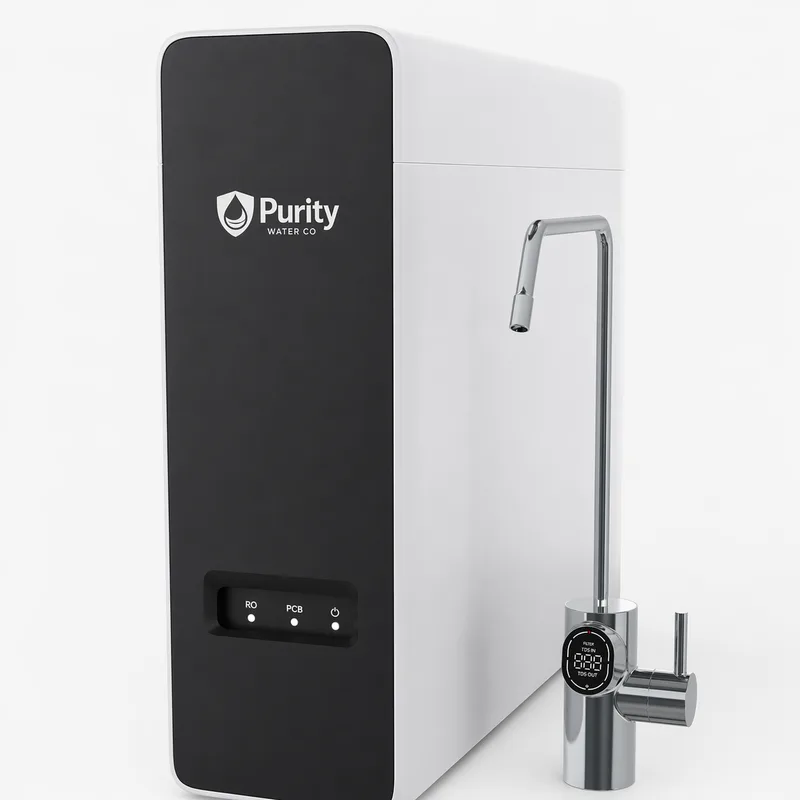
| Reverse osmosis | Drinking, cooking, coffee, and ice at one tap | Point-of-use kitchen water | Whole-home scale, shower feel, or laundry concerns |
Signs a softener may help
Most homeowners do not start with a hardness number. They notice the cleanup first. Shower glass gets cloudy, faucets form crusty buildup, dishes come out spotty, and towels feel rough even after a normal wash.
Those symptoms line up with hardness minerals. A properly sized softener can reduce the mineral effects that make soap less effective and leave scale behind on fixtures and appliances.
- White buildup around faucets and showerheads
- Spotting on glasses, dishes, and shower doors
- Dry-feeling skin or hair after bathing
- More detergent or shampoo use than expected
- Scale concerns around dishwashers, water heaters, and other water-using appliances
Local water profile: Cleveland hardness
Cleveland Water describes local hardness at about 7 grains per gallon, or 120 mg/L as calcium carbonate. USGS hardness categories put 61 to 120 mg/L in the moderately hard range, with hard water beginning at 121 mg/L.
That does not make the water unsafe. Hardness is usually a comfort, cleaning, and maintenance issue. The practical question is whether the symptoms in your home are annoying enough to justify treatment.
What a water softener solves
A softener is designed to reduce calcium and magnesium hardness. In daily life, that can mean less scale, better soap performance, softer-feeling laundry, easier fixture cleanup, and less mineral stress on appliances.
The benefit is strongest when the problem is showing up throughout the house. If only one faucet has a strange taste or odor, that is usually not a softener problem.
- Hard-water scale
- White spotting
- Soap and shampoo performance
- Fixture cleanup
- Laundry feel
- Appliance scale concerns
What a water softener does not solve
A softener is not a drinking-water filter. It should not be sold as a broad solution for lead, PFAS, chlorine, bacteria, sediment, or every tap-water concern.
If the main concern is drinking water at the kitchen sink, a reverse osmosis system may be the better category. If the concern is chlorine taste or odor throughout the home, filtration may belong in the plan. Many homeowners need one system, some need both, and some need more testing before buying anything.
How Purity evaluates a softener quote
Purity starts with the home instead of assuming the same setup fits every Cleveland-area household. The useful questions are simple: where do you see scale, how many people use water, how many bathrooms are in the home, and what else do you want the water to do?
Sizing matters because an undersized softener can regenerate too often or fail to keep up. An oversized or poorly matched system can waste money and maintenance effort. The goal is a system that fits the actual home and is easy to understand before installation.
- Household size and water use
- Number of bathrooms and major water-using appliances
- Visible scale and cleaning complaints
- Available installation space and drain access
- Whether drinking-water treatment should be paired with the softener
Salt, maintenance, and ownership expectations
A softener is not a set-it-and-forget-it mystery box. Homeowners should understand salt use, bypass settings, regeneration, and what routine service looks like before they buy.
We explain salt refills, regeneration settings, homeowner maintenance, and when to call for service before installation. Clear maintenance expectations are part of a good recommendation.
What affects the quote
Installed pricing depends on the system size, plumbing access, drain and electrical availability, household demand, whether old equipment needs to be removed, and whether the softener is paired with filtration or reverse osmosis.
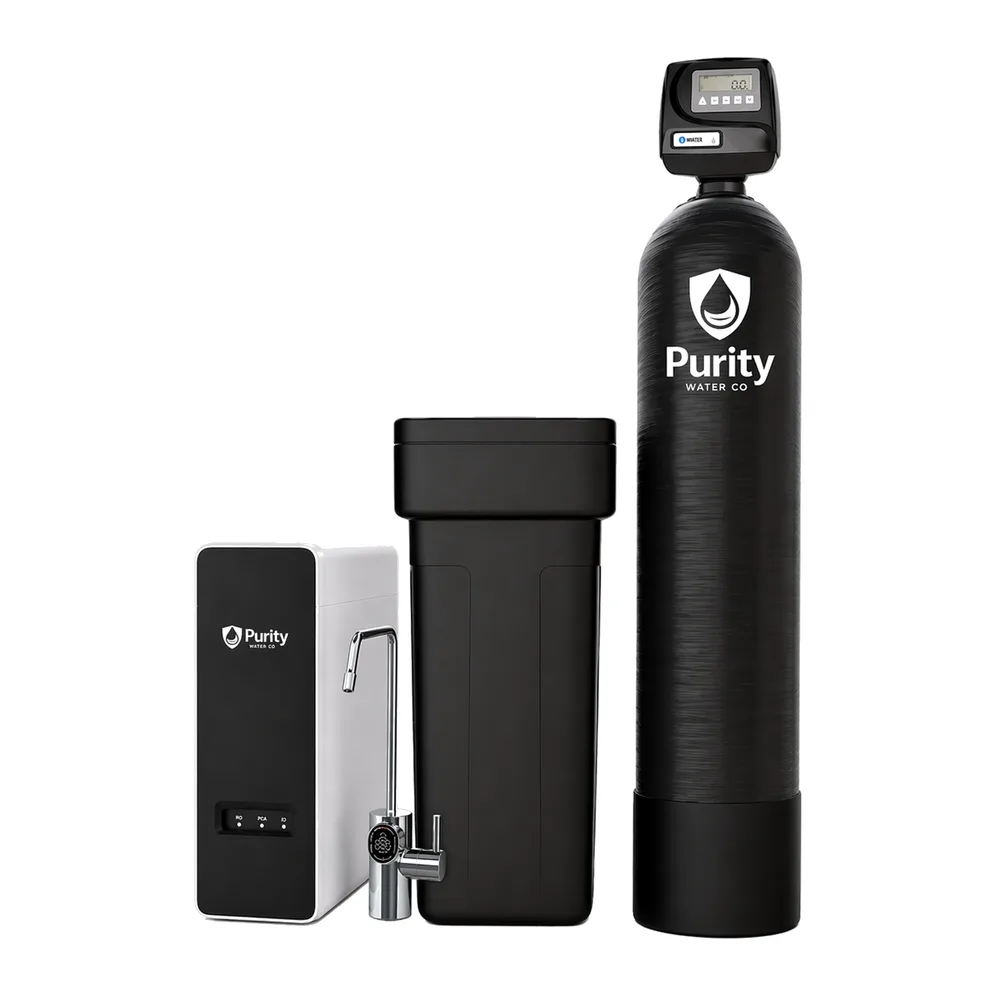
Our complete softener-and-RO package is $2,950 with standard installation. A softener-only setup or non-standard plumbing is quoted separately; we confirm the scope and any additional work before you decide.
A good softener recommendation should confirm these facts
The issue is house-wide
Scale and soap problems across several fixtures point more strongly toward softening than a one-faucet issue.
The water use is known
Household size and bathroom count help determine system capacity.
The installation path is realistic
Drain access, floor space, and serviceability matter before equipment is selected.
Helpful next steps
Use this page next if that is the concern you want to compare before requesting a quote.
Use this page next if that is the concern you want to compare before requesting a quote.
Use this page next if that is the concern you want to compare before requesting a quote.
Use this page next if that is the concern you want to compare before requesting a quote.
Use this page next if that is the concern you want to compare before requesting a quote.
Sources used for water-quality context
These sources are used for public water context and treatment-category guidance. They do not replace testing at a specific home.
How to use this before requesting a quote
The best next step is to name the problem in normal household language. Do not start with the product if you are not sure. Start with what you see, taste, smell, clean, replace, or avoid. Scale on shower glass, spots on dishes, chlorine taste in coffee, bottled-water habits, rough laundry, and one odd faucet all point to different conversations.
That context helps Purity avoid guessing. A useful quote conversation should connect the symptom to the treatment location, explain why one system fits better than another, and make the maintenance clear before any equipment is selected. The goal is not to make every home buy the largest package. The goal is to make the recommendation understandable enough that the homeowner can say yes or no with confidence.
For a specific health concern, start with appropriate testing and the exact filter's verified performance—not a general water article. Testing, product documentation, and certification details matter. A system should only be described as reducing a specific contaminant when the exact installed product supports that claim and the homeowner understands the maintenance required to keep that performance.
It also helps to separate today’s annoyance from the long-term goal. A homeowner might call because the dishwasher leaves spots, but also want better drinking water for coffee and ice. Another homeowner may only care about one kitchen faucet. Those are not the same project. Clear notes about the top concern, the rooms affected, the age of the home, any existing equipment, how long the issue has been happening, whether it changes by season, and the result you want to notice first make the first conversation more productive and reduce the chance of recommending a system that is larger, smaller, or simply different from what the home actually needs.
Frequently asked questions
Is Cleveland water hard?
Cleveland Water reports hardness around 7 grains per gallon, or 120 mg/L as calcium carbonate. That is near the upper end of the USGS moderately hard range.
What does a water softener remove?
A softener is mainly for hardness minerals such as calcium and magnesium. It is not a broad drinking-water contaminant filter.
Will a softener improve drinking-water taste?
Not necessarily. If the main concern is taste at the kitchen sink, filtration or reverse osmosis is usually the better category to evaluate.
Does a softener remove chlorine?
No. Chlorine taste or odor is usually a filtration question, not a softening question.
How do I know what size softener I need?
Sizing depends on household water use, hardness, bathrooms, plumbing access, and service expectations.
How often does a softener need salt?
Salt use depends on water use, hardness, system size, and settings. Ask us to explain the expected refill schedule for your household before installation.
Can I pair a softener with reverse osmosis?
Yes. Many homes use a softener for whole-home hardness and reverse osmosis for drinking water at the kitchen sink.
Do you serve Cleveland and nearby suburbs?
Purity Water Co is based in Westlake and serves Greater Cleveland west-side homeowners, including Cleveland-area communities.